Stem Cell Therapy for Nerve Damage: Potential and Progress


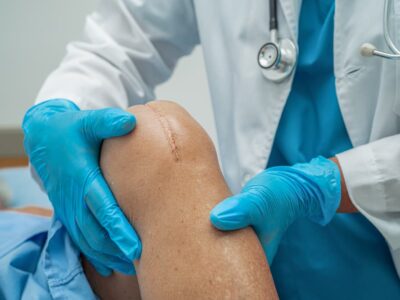
Nerve damage has a way of shrinking a person’s world. A hand that no longer feels heat properly changes how someone cooks, works, and https://trevorhmhr560.lowescouponn.com/who-is-a-good-candidate-for-stem-cell-therapy dresses. A foot with poor sensation alters gait, balance, and confidence on stairs. When the spinal cord is involved, the consequences can be far more profound, affecting movement, bladder function, pain, breathing, and independence. For decades, much of neurology and rehabilitation has focused on compensation, symptom control, and preventing further loss, because the nervous system, especially the central nervous system, has limited capacity to repair itself once injured.
That is why Stem Cell Therapy has attracted such intense interest. The idea is compelling: if damaged nerves cannot adequately replace lost cells, rebuild myelin, or reestablish broken connections on their own, perhaps carefully chosen cells could help the body do what it struggles to do naturally. Yet this is also an area where hope can outrun evidence. The science is real, progress is measurable, and some early results are genuinely encouraging. At the same time, the field is still sorting out which cell types are useful, which patients are most likely to benefit, what degree of recovery is realistic, and how to deliver treatment safely.
The most responsible way to look at stem cells for nerve injury is neither as miracle cure nor false promise. It is a developing therapeutic platform with specific strengths, hard biological limits, and a growing body of clinical work that deserves close, informed attention.
Why nerve repair is so difficult
To understand where stem cells might help, it helps to start with the problem itself. Nerves are not all the same, and the body does not repair them equally.
Peripheral nerves, the ones outside the brain and spinal cord, have some regenerative capacity. A compressed median nerve in carpal tunnel syndrome, a lacerated digital nerve in a finger, or a traction injury to the brachial plexus may recover to a degree, especially if the nerve sheath remains partly intact and the distance to the target muscle or skin territory is not too great. Axons in the peripheral nervous system can regrow, often slowly, sometimes cited at roughly a millimeter per day under favorable conditions. Even then, recovery is often incomplete. Muscles can atrophy while they wait for reinnervation, scar tissue can block regrowth, and the returning signals may be disorganized.
The central nervous system is much less forgiving. After spinal cord injury, stroke, or traumatic brain injury, a cascade follows the initial damage. Cells die. Inflammation rises. Scar tissue forms. Inhibitory molecules build up in the local environment. Surviving neurons may lose connections they cannot easily restore. Oligodendrocytes, the cells that make myelin in the central nervous system, may be lost, leaving surviving axons poorly insulated and less able to conduct signals. This is not a simple wiring problem. It is a hostile biological landscape.
Patients often ask whether a severed or damaged nerve can simply be “replaced.” In practice, repair is more nuanced. Function depends on many moving parts: the right cell types surviving, guidance cues being present, inflammation being controlled, myelin being restored, and new or revived circuits integrating into the body’s existing network. A successful therapy may not need to do all of these things perfectly, but it must help enough of them to produce meaningful functional gain.
What stem cells are actually supposed to do
Public discussion often frames Stem Cell Therapy as if the injected cells turn directly into whatever the body lacks. Sometimes differentiation into needed cell types is part of the strategy, but that is only one mechanism, and often not the most important one.
In nerve repair research, stem cells or stem cell derived products are being explored for several reasons. They may secrete growth factors that support surviving neurons. They may reduce harmful inflammation and shift the injury environment toward repair. They may promote angiogenesis, improving blood supply to injured tissue. Certain cell types may help remyelinate axons. Some may serve as a biological bridge across an area of damage, offering structural support for regrowth. In peripheral nerve injuries, they may also enhance Schwann cell activity, which is central to axonal regeneration outside the brain and spinal cord.
This distinction matters because it changes expectations. If a therapy mainly works through signaling and support rather than wholesale cell replacement, the likely result may be modest improvement in function, sensation, or pain rather than dramatic restoration after severe injury. That may still be clinically valuable. For a patient with neuropathy, reducing burning pain and improving balance enough to prevent falls is significant. For someone with a spinal cord injury, a small gain in hand function or trunk control can make daily life meaningfully easier.
The main cell types under study
Not all stem cells are interchangeable. The term itself is broad, and many of the differences between studies come down to what cells were used, how they were prepared, and where they were delivered.
Mesenchymal stem or stromal cells, usually derived from bone marrow, adipose tissue, or umbilical cord tissue, are among the most widely studied. They are attractive because they are relatively accessible, have immunomodulatory properties, and are generally easier to handle than more developmentally flexible cells. In nerve injury research, their biggest appeal is often their paracrine effect, meaning the beneficial molecules they release rather than their long-term survival as replacement tissue.
Neural stem cells and neural progenitor cells are more specialized. They are designed by nature, or by laboratory differentiation, to generate neural lineage cells such as neurons, astrocytes, and oligodendrocytes. In principle, they are well suited for diseases or injuries of the central nervous system. In practice, they are more complex to produce, regulate, and deliver. Their behavior in living tissue must be tightly controlled.
Schwann cells and Schwann-like cells are especially relevant in peripheral nerve repair. Schwann cells play an essential role in guiding axonal regrowth and rebuilding myelin. Researchers have long recognized their value, but harvesting and expanding enough functional Schwann cells for therapy can be challenging. Some stem cell approaches aim to generate Schwann-like cells from other sources.
Induced pluripotent stem cells have generated excitement because they can be derived from adult cells and reprogrammed into a highly flexible state. That opens the door to patient-specific therapies and sophisticated disease modeling. It also introduces real concerns around manufacturing consistency, maturation, and tumor risk if differentiation is incomplete.
Embryonic stem cell derived products have also been studied in neurology, particularly in highly controlled research settings. They hold substantial developmental potential, but ethical debates and safety concerns have shaped how they are pursued.
Where the evidence is strongest today
The phrase “nerve damage” covers conditions that differ so much that one result cannot be generalized to all of them. A diabetic neuropathy, a crushed peripheral nerve, multiple sclerosis related demyelination, and a traumatic spinal cord injury are biologically distinct problems. Stem Cell Therapy may have a role in several of these categories, but the evidence base is uneven.
Spinal cord injury is one of the best known areas of investigation. Early phase trials have explored mesenchymal cells, neural progenitor cells, and other cell based approaches through intrathecal, intravenous, or direct intraspinal delivery. Some studies have reported gains in motor scores, sensory function, or quality of life measures in subsets of patients. However, results are variable, sample sizes are often small, and rehabilitation intensity can confound interpretation. One persistent challenge is timing. The subacute period after injury may offer a more favorable environment for intervention than long-established chronic injury, but patients and families often seek treatment after the window of greatest biological responsiveness may have narrowed.
Peripheral nerve injuries present a different opportunity. Surgeons repairing segmental nerve defects already use grafts, conduits, and microsurgical techniques to encourage regeneration. Stem cell based adjuncts could improve this process by enhancing the local regenerative environment. Preclinical studies have been encouraging, especially when cells are combined with nerve conduits or biomaterials. In humans, work is ongoing, but evidence still trails behind the excitement. For smaller gaps and cleaner injuries, conventional surgical repair can already work reasonably well, so any added cell therapy has to prove it improves outcomes beyond a decent baseline.
Neuropathic pain is another area of interest. Patients with nerve damage often care as much about pain reduction as sensory or motor recovery. Some stem cell studies suggest anti-inflammatory and neuroprotective effects that could reduce pain signaling. This matters because conventional pharmacologic treatment for neuropathic pain is frequently unsatisfying. Many patients cycle through gabapentinoids, antidepressants, topical agents, and opioids with only partial relief. If cell based therapy can reliably lower pain burden, even without full nerve restoration, that would still represent meaningful progress.
Demyelinating conditions add another layer. In disorders where axons remain but myelin is damaged, remyelination strategies are biologically attractive. Here, the relevant question is not only whether stem cells survive, but whether they mature into functional myelinating cells and do so in a way that improves conduction across damaged pathways.
What progress really looks like in clinic and trial settings
The public often imagines medical progress as a headline announcing that a once incurable condition can now be fixed. Real progress is slower and less cinematic. It looks like moving from animal models to carefully monitored phase 1 trials. It looks like learning that one route of administration is safer than another. It looks like discovering that one patient subgroup improves modestly while another sees no effect. It looks like standardizing cell preparation so that results from one center can be meaningfully compared with another.
In neurology, even modest gains can matter. A rehabilitation physician may get more excited than outsiders would expect about a patient recovering enough finger extension to stabilize a cup, or enough ankle dorsiflexion to clear the toe during gait. These are not minor gains to the person living with the injury. When stem cell studies report improvement, the details matter. Is it a change on a neurological score sheet only, or did the patient actually gain a practical function? Did pain improve? Did bowel or bladder function change? Was the improvement sustained six months later, or did it fade?
One underappreciated issue is that trials in nerve damage often combine the experimental therapy with aggressive rehabilitation. That is clinically sensible, because new neural capacity, however small, must be trained into function. But it complicates interpretation. Was the benefit from the cells, from the therapy program, or from the combination? In truth, the answer may be the combination, and that is not a flaw. It is how neurorecovery usually works.
The safety questions are not theoretical
Any honest discussion of Stem Cell Therapy for nerve damage has to address risk. Patients are often vulnerable, especially after traumatic injury or when conventional options have plateaued. That makes them prime targets for overpromising clinics.
The main concerns vary by cell type and route, but they generally include infection, immune reactions, unwanted tissue growth, inappropriate differentiation, worsening inflammation, and procedural complications related to injection into the spinal canal or nervous tissue. Tumor formation is a particularly sensitive topic, especially with pluripotent cell sources, though the actual risk depends heavily on the product and manufacturing controls.
There is also the less dramatic but equally important risk of spending large sums on interventions that are biologically plausible yet clinically unproven. Many patients do not realize how wide the gap can be between “being studied” and “being shown to work.” In some parts of the world, commercial clinics market stem cell interventions with language that far outpaces the evidence, often relying on testimonials rather than rigorous outcome data.
A cautious patient or referring clinician should want clear answers to a few basic questions:
- What exact cell product is being used, and from what source?
- Is the treatment part of a registered clinical trial or an approved therapy?
- What published human data support its use for this specific condition?
- What are the known risks, and how are patients monitored afterward?
- What outcomes are being measured beyond patient anecdotes?
If a center cannot answer those plainly, that is a warning sign.
The role of delivery methods and timing
How cells are delivered may be almost as important as which cells are chosen. Intravenous infusion is less invasive and easier to administer, but many cells may never reach the target tissue in meaningful numbers. Intrathecal delivery, into the cerebrospinal fluid, places cells closer to the central nervous system but adds procedural risk. Direct injection into the injured spinal cord or nerve area offers precision, though it is technically demanding and potentially traumatic in itself.
Timing matters for another reason. Immediately after injury, inflammation and tissue disruption may destroy transplanted cells or prevent integration. Wait too long, and scar formation, muscle atrophy, and circuit reorganization may limit what can be recovered. The ideal window likely differs by condition. A crush injury to a peripheral nerve is not on the same timeline as chronic diabetic neuropathy or a two-year-old spinal cord lesion.
In real practice, these timing questions are often messy. A patient may not present early. They may need stabilization from other injuries first. Imaging and electrodiagnostic testing may reveal that the lesion is broader or older than initially thought. Sometimes the best use of a regenerative strategy is not as a standalone rescue attempt, but as part of a staged treatment plan that includes surgery, rehabilitation, and symptom management.
Why biomaterials and rehabilitation may be just as important as the cells
Stem cells rarely act in a vacuum. One of the most promising directions in regenerative neurology is combination therapy. Cells may be paired with scaffolds, hydrogels, nerve conduits, growth factors, electrical stimulation, or structured rehabilitation protocols. This reflects a mature understanding of nerve repair. Cells need a supportive environment. Axons need guidance. Emerging circuits need training.
In peripheral nerve surgery, for example, there is growing interest in engineered conduits that do more than simply bridge a gap. A conduit seeded with supportive cells or biologically active factors could, in theory, help organize regeneration more effectively than an empty tube. In spinal cord injury, biomaterial scaffolds may provide a framework through which regenerating processes can travel, while transplanted cells supply trophic support or myelinating capacity.
This is one place where the field has become more realistic. Early enthusiasm sometimes implied that stem cells alone would solve complex injuries. Experience suggests otherwise. The future is more likely to belong to integrated strategies than to any single magic ingredient.
What patients should realistically expect over the next several years
The next chapter in this field will probably not be defined by one dramatic breakthrough. It will be defined by refinement. Better cell characterization. Better patient selection. Better outcome measures. Better manufacturing standards. Better combinations with rehabilitation and biomaterials. More multicenter trials. Longer follow-up.
Patients with acute or subacute spinal cord injury may see the most visible advances from formal clinical research, particularly where specialized centers can combine cell based interventions with advanced rehabilitation. Peripheral nerve repair may also benefit substantially, especially in injuries where current microsurgical techniques still leave room for improvement. Chronic neuropathies are more complicated. Conditions such as diabetic neuropathy involve ongoing metabolic stress and diffuse injury, so even a biologically active treatment has to work against a persistent disease process.
A realistic clinical hope is not that every form of nerve damage will become reversible. It is that selected patients will achieve better recovery than today’s standard care allows, whether measured in sensation, strength, dexterity, pain, walking ability, or independence in daily tasks.
There are already examples in medicine where “partial recovery” changed everything. Restoring enough hand function for self-feeding, enough bladder control to reduce catheter burden, or enough sensation in the foot to lower ulcer risk can shift a patient’s health trajectory in ways outsiders might underestimate. That is worth remembering when evaluating trial results that seem modest on paper.
The gap between scientific promise and commercial marketing
Perhaps the biggest practical challenge right now is not the absence of science, but the uneven way science is translated to the public. A careful research team will describe uncertainty, adverse event monitoring, dosing issues, and the limits of a small early phase study. A commercial clinic may flatten all of that into a sales pitch.
That difference matters because stem cell language can sound authoritative even when evidence is thin. Terms like “regenerative,” “personalized,” and “minimally invasive” carry emotional weight. For patients dealing with chronic pain, weakness, or paralysis, the temptation to act quickly is understandable. But urgency is exactly when scrutiny is most needed.
The strongest centers tend to sound less sensational, not more. They define the type of nerve injury they are studying. They explain why a particular cell source was chosen. They describe how outcomes are measured, what recovery would count as clinically meaningful, and what remains unknown. They usually emphasize that participation in a study is not a guarantee of benefit.
Where this field stands now
The case for Stem Cell Therapy in nerve damage is no longer speculative in the broad sense. We know enough biology to understand why the approach could help. We have enough laboratory and early clinical evidence to take the field seriously. We also know enough to be disciplined. Nerve repair is extraordinarily difficult. The best current stem cell strategies seem more likely to support and enhance recovery than to fully rebuild devastated neural systems on command.
That still leaves substantial room for progress. The field has matured from simple replacement narratives to a more sophisticated model built around immunomodulation, trophic support, remyelination, structural guidance, and rehabilitation synergy. That is a healthier place for science to be. It is less glamorous than miracle stories, but more useful to patients.
For clinicians, researchers, and patients watching this space, the most productive stance is informed optimism. Not blind faith, not cynicism. The promise is real. The progress is real. The work ahead is to identify where stem cells genuinely improve outcomes, prove it in rigorous studies, and protect patients from claims that run ahead of the evidence. If that happens, nerve repair in the coming decade may look less like wishful thinking and more like a series of carefully earned gains, which is how medicine usually moves when it is at its best.
Denver Regenerative Medicine | Stem Cell Therapy, HRT, Testosterone Clinic
Address: 5040 Corporate Plaza Dr Ste 7, Colorado Springs, CO 80919
Phone number: +17205831648
FAQ About Stem Cell Therapy
What are the negative side effects of stem cell therapy?
Stem cell therapy can cause mild short-term reactions like injection-site pain, fatigue, and low-grade fever. More serious risks include infection, immune system rejection, blood clots, unintended tissue growth or tumors, and severe complications from unproven treatments at unregulated clinics.
What diseases can stem cells cure?
Currently, stem cells routinely and effectively cure specific blood cancers, immune deficiencies, and blood disorders using established bone marrow or cord blood transplants. Most other applications—such as for Parkinson's, diabetes, or heart failure—remain experimental or in clinical trials rather than proven cures.
Do stem cell treatments really work?
Yes, stem cell treatments work, but only for a very specific group of conditions. Hematopoietic stem cell transplants (bone marrow transplants) are fully proven and widely used to treat blood cancers like leukemia and lymphoma. However, commercial stem cell treatments for joint pain, arthritis, and wrinkles are largely unproven, experimental, and costly.